
What to Expect
Your First Visit Starts With Understanding Your Problem
Before treatment begins, we want to understand what you are experiencing, how it started, and how it is affecting your movement and daily life.
A thorough history will cover your current problem as well as relevant past problems. We will discuss surgeries, injuries, prescriptions, and other information that may help us understand your situation.
A physical examination will then be performed. Depending on your condition, this may include:
- Range-of-motion testing
- Orthopedic tests
- Neurological tests
- Movement assessments
- Other tests specific to your situation
Dr. Matury will discuss a working diagnosis and explain the recommended treatment approach.
Your Treatment May Include Several Approaches
There is no single technique that is right for every patient. Your care may include Active Release Technique, chiropractic spinal manipulation, movement assessment, exercise, or physical therapy modalities.
The treatment plan is based on your examination and how you respond to care.
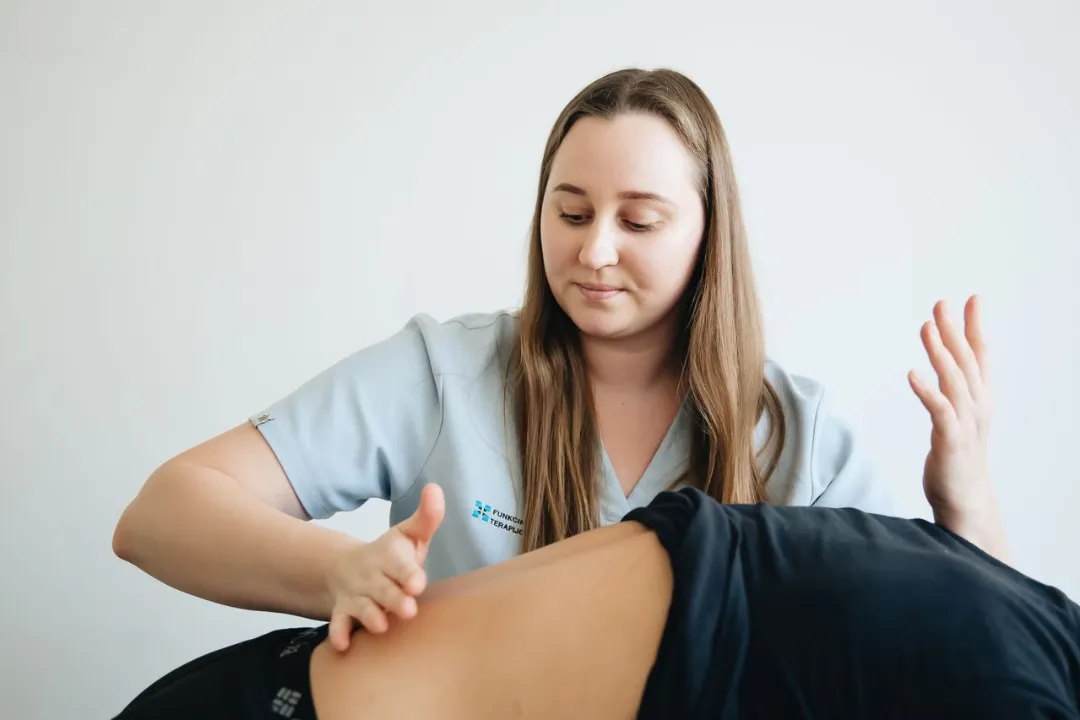

What Happens During Active Release Technique?
During an ART session, you actively move the affected structure while the practitioner maintains contact with the area being treated. This allows the provider to assess the tissue as it moves and apply treatment to areas of restriction.
ART treatment can be tailored to the individual using specific movement protocols.
How Can Overuse Affect the Body?
Restricted tissue movement can contribute to reduced range of motion, weakness, tension, and other symptoms.
When nerves are affected, symptoms may also include tingling, numbness, or weakness.


Exercise Is Part of the Plan
Different parts of the body are designed to move in different ways. For example, the ankle and hip allow substantial movement, while the knee is designed primarily for movement in one plane.
When one part of the movement system does not function as expected, other areas may compensate.
Your exercise program may focus on improving movement, core stability, strength, and control. These exercises can give you tools to continue working toward better movement outside the office.

What Kind of Progress Can You Expect?
Every patient and condition is different, so the number of treatments needed can vary.
If you are not improving as expected, we will reassess your situation and determine whether your treatment approach should change or whether another type of care is appropriate.
When needed, we may coordinate with other healthcare providers and refer for physical therapy, imaging such as X-rays or MRI, injections, surgery, or other treatment options.
A Welcoming Experience From Start to Finish
Our goal is for you to leave our office feeling that you were heard, understood, and cared for.
Our staff works to provide a welcoming environment where you can feel comfortable asking questions and participating in your care.
Ready to get started? Call Great Falls Chiropractic Center at (406) 727-1660.